6 Steps to Find Tranquility Through Meditation leads you on a journey towards inner peace and serenity, guiding you through each step with clarity and purpose.
Discover the essence of tranquility and mindfulness as you explore the transformative power of meditation in your daily life.
Introduction to Tranquility Through Meditation
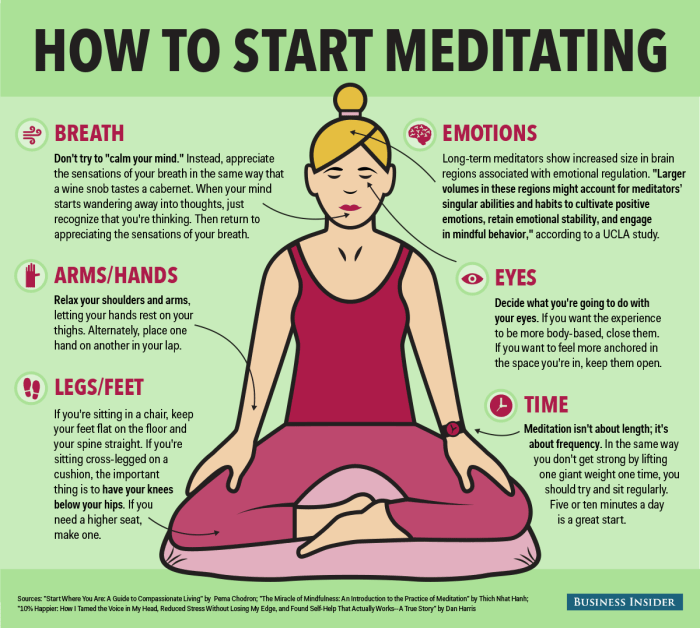
In the context of meditation, tranquility refers to a state of inner peace, calmness, and serenity that is achieved through focused and mindful practice. It is the ability to find stillness amidst the chaos of everyday life, allowing for a sense of balance and clarity in the mind and body.
There are numerous benefits to finding tranquility through meditation. Not only does it help reduce stress and anxiety, but it also improves overall mental well-being, enhances concentration and focus, and promotes emotional stability. By cultivating a sense of tranquility, individuals can experience a greater sense of inner peace and contentment in their lives.
Benefits of Finding Tranquility Through Meditation
- Mental Clarity: Meditation helps quiet the mind and reduce mental chatter, leading to improved focus and clarity of thought.
- Stress Reduction: The practice of meditation can lower stress hormones in the body, promoting a sense of calm and relaxation.
- Emotional Regulation: By fostering mindfulness and self-awareness, meditation can help individuals manage their emotions more effectively.
- Physical Relaxation: Relaxation techniques in meditation can ease tension in the body, promoting physical well-being and reducing muscle tension.
Understanding the Basics of Meditation
Meditation is a practice that involves focusing the mind to achieve a state of calm and inner peace. Its purpose is to promote relaxation, reduce stress, and enhance self-awareness.
Types of Meditation Practices
There are several types of meditation practices, each with its own unique approach and benefits:
- Mindfulness Meditation: Involves focusing on the present moment without judgment, often by paying attention to the breath or body sensations.
- Transcendental Meditation: Involves the use of a mantra to transcend thought and reach a state of pure awareness.
- Loving-Kindness Meditation: Focuses on cultivating feelings of love and compassion towards oneself and others.
- Visualization Meditation: Involves creating mental images to promote relaxation and positive emotions.
Tips for Beginners
If you are new to meditation, here are some tips to help you get started:
- Start with short sessions: Begin with just a few minutes of meditation each day and gradually increase the duration as you become more comfortable.
- Find a quiet space: Choose a peaceful environment where you can meditate without distractions.
- Focus on your breath: Use your breath as an anchor for your attention, bringing your focus back whenever your mind starts to wander.
- Be patient and gentle with yourself: Remember that meditation is a practice, and it’s okay to have thoughts during meditation. Simply acknowledge them and return to your focus.
- Explore guided meditation: Consider using guided meditation recordings or apps to help you stay focused and relaxed during your practice.
6 Steps to Find Tranquility Through Meditation
Meditation can be a powerful tool to help you find tranquility and inner peace in your daily life. By following these 6 steps, you can establish a strong meditation practice that enhances your overall well-being.
Step 1: Setting up a quiet and comfortable space for meditation
Creating a peaceful environment free from distractions is essential for effective meditation. Find a quiet corner in your home or a serene outdoor spot where you can sit comfortably without interruptions.
Step 2: Focusing on breathing techniques to calm the mind
Concentrating on your breath is a foundational aspect of meditation. Practice deep breathing exercises to center your mind and release any tension or stress you may be holding onto.
Step 3: Practicing mindfulness to stay present in the moment
Mindfulness involves being fully aware of your thoughts, feelings, and sensations without judgment. Stay present in the moment by observing your thoughts as they arise and letting them pass without attachment.
Step 4: Using visualization techniques to enhance tranquility
Visualizations can help you create a sense of peace and relaxation during meditation. Picture yourself in a serene setting or imagine a calming scenario to promote tranquility and reduce anxiety.
Step 5: Incorporating body scan meditation for relaxation
Body scan meditation involves focusing on each part of your body, from head to toe, and releasing any tension or discomfort you may be holding. This technique promotes deep relaxation and a sense of inner calm.
Step 6: Cultivating loving-kindness and compassion through meditation
Practicing loving-kindness meditation involves sending positive thoughts and wishes to yourself and others. By cultivating compassion and empathy through meditation, you can foster a sense of connection and peace within yourself and towards others.
Overcoming Challenges in Meditation

It is common to face challenges during meditation practice, but with the right strategies, you can overcome distractions and obstacles to find tranquility. Consistency is key in establishing a successful meditation routine.
Dealing with a Busy Mind
- Start by acknowledging your thoughts without judgment.
- Focus on your breath or a mantra to redirect your mind when distractions arise.
- Practice mindfulness to stay present in the moment.
Physical Discomfort
- Find a comfortable meditation posture that works for you.
- Use cushions or chairs for support if needed.
- Take breaks and stretch if you experience discomfort during meditation.
External Disturbances
- Choose a quiet and peaceful environment for meditation.
- Use earplugs or white noise machines to block out external noises.
- Accept that distractions may occur and gently bring your focus back to meditation.
Connecting Meditation with Mental Well-being: 6 Steps To Find Tranquility Through Meditation
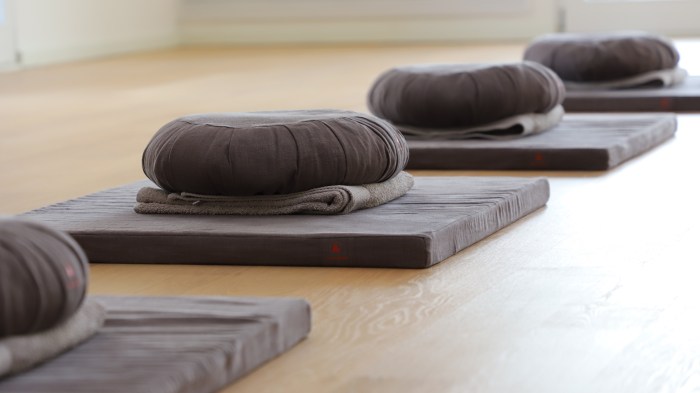
Meditation has a profound impact on mental well-being, offering a range of benefits that can positively influence one’s overall mental health. By incorporating meditation into your daily routine, you can experience a reduction in stress and anxiety, leading to a calmer and more balanced state of mind.
The Relationship between Meditation and Mental Health
- Meditation helps in promoting relaxation and reducing the production of stress hormones in the body, leading to lower levels of anxiety and improved mood.
- Regular meditation practice can enhance self-awareness, emotional regulation, and mindfulness, which are essential components of good mental health.
- Studies have shown that meditation can reduce symptoms of depression, anxiety disorders, and post-traumatic stress disorder (PTSD) by promoting a sense of calm and well-being.
How Meditation Reduces Stress and Anxiety, 6 Steps to Find Tranquility Through Meditation
- During meditation, the body enters a state of deep relaxation, triggering the relaxation response and reducing the effects of the body’s stress response.
- Mindfulness meditation techniques can help individuals focus on the present moment, letting go of worries about the future or regrets about the past, thus alleviating stress and anxiety.
- By cultivating a sense of inner peace and acceptance through meditation, individuals can develop resilience to stressors and cope better with challenging situations.
Scientific Evidence Supporting Mental Health Benefits of Meditation
- A meta-analysis published in JAMA Internal Medicine found that mindfulness meditation programs showed moderate evidence of improving anxiety, depression, and pain compared to control groups.
- Research conducted at Harvard Medical School has shown that meditation can lead to changes in brain structure associated with improved memory, empathy, and stress regulation.
- Studies have demonstrated that meditation can alter brain wave patterns, increase gray matter density in areas related to emotional regulation, and enhance connectivity in brain networks associated with attention and self-awareness.
Incorporating Meditation into Daily Life

In today’s fast-paced world, finding time for meditation can seem challenging, especially with a busy schedule. However, integrating meditation into your daily life is possible with some simple strategies.
Finding Time for Meditation
- Start your day with meditation: Set aside a few minutes in the morning before you start your day to practice meditation. This can help you set a positive tone for the day ahead.
- Take short breaks: Throughout the day, find moments to pause and take a few deep breaths or do a quick meditation session. This can help you reset and recharge.
- Combine meditation with other activities: You can incorporate mindfulness practices into everyday tasks like walking, eating, or even commuting. Focus on being present in the moment.
Creating a Sustainable Routine
- Set realistic goals: Start with short meditation sessions and gradually increase the duration as you build consistency.
- Find a quiet space: Create a designated meditation area in your home or office where you can practice without distractions.
- Establish a routine: Try to meditate at the same time each day to form a habit. Consistency is key to making meditation a part of your daily life.
Ending Remarks
Embark on a fulfilling journey towards tranquility and mental well-being by incorporating these 6 steps into your meditation practice.