With 15 Steps to a Peaceful Meditation Space at Home at the forefront, embark on a journey to transform your living space into a tranquil sanctuary. Discover the secrets to designing a peaceful meditation area that nurtures your mind, body, and soul.
Explore the art of selecting calming colors, embracing natural elements, and incorporating soothing sounds to elevate your meditation experience to new heights. Dive into the world of aromatherapy, decluttering techniques, and creating a sacred space that resonates with your inner peace.
Setting the Scene
Creating the ideal location for a peaceful meditation space at home involves selecting a quiet area with minimal distractions. Look for a spot with natural light and good ventilation to enhance the calming atmosphere.
Impact of Lighting
Lighting plays a crucial role in setting the ambiance of your meditation area. Soft, natural light can create a tranquil environment, while harsh artificial lighting may be disruptive. Consider using candles, salt lamps, or fairy lights to add a soothing glow to the space.
Incorporating Natural Elements
- Introduce plants such as peace lilies, bamboo, or succulents to bring a touch of nature indoors. Plants not only improve air quality but also promote a sense of serenity and connection to the earth.
- Use materials like wood, stone, or natural fibers in your decor to enhance the organic feel of the space. Incorporating elements from nature can help ground you during meditation and provide a sense of balance.
- Consider adding a small tabletop fountain or a jar of seashells to introduce calming sounds of water or reminders of the beach, respectively, into your meditation area.
Choosing Calming Colors and Decor
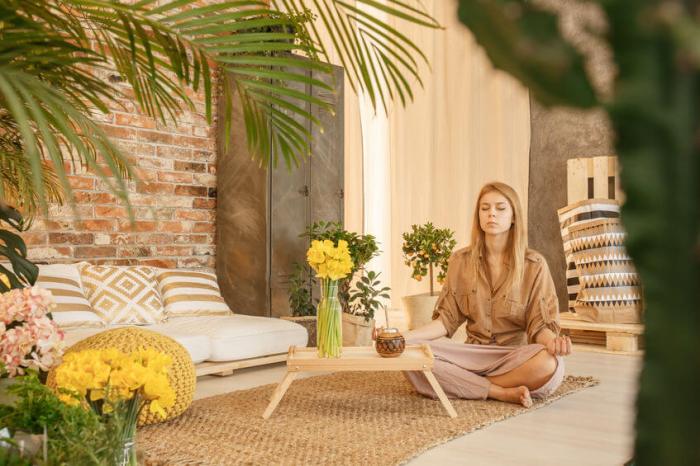
When creating a peaceful meditation space at home, choosing the right colors and decor is essential to promote relaxation and calmness. The color scheme and decor items play a significant role in setting the tone for a tranquil atmosphere.
Calming Color Schemes
- Soft blues and greens: These colors are known for their calming and soothing effects on the mind and body.
- Eartly tones like beige, taupe, and soft browns: These neutral colors create a sense of warmth and grounding.
- Pale pastels: Colors like lavender, pink, and light yellow can evoke feelings of serenity and peace.
Significance of Minimalism
Minimalism is key in creating a tranquil space as it helps reduce visual clutter and promotes a sense of calm. Opting for simple and clean decor can create a peaceful environment that allows for better focus and relaxation.
Decor Items for a Peaceful Atmosphere
- Plants: Adding greenery can bring a sense of nature indoors and promote a feeling of tranquility.
- Candles: Soft lighting from candles can create a relaxing ambiance for meditation.
- Soft textiles: Incorporating cushions, rugs, and throws in soft fabrics can add comfort and coziness to the space.
Creating Comfortable Seating
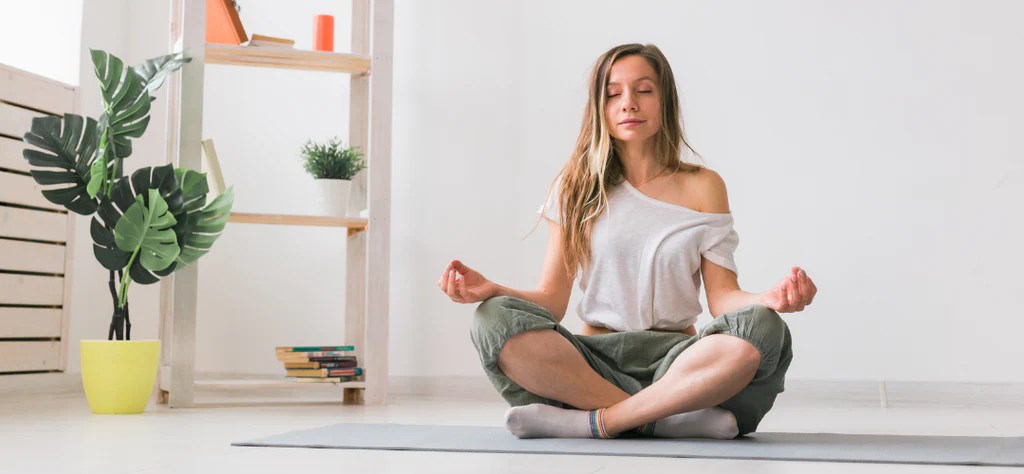
Creating a comfortable seating arrangement is essential for a peaceful meditation space at home. The right seating can help you relax your body, focus your mind, and enhance your overall meditation experience.
Comparing Seating Options
- Cushions: Cushions are a popular choice for meditation seating as they provide support and help maintain proper posture. Look for cushions that are firm yet comfortable to sit on for an extended period.
- Mats: Mats can also be used for meditation seating, especially for those who prefer a more grounded feel. Opt for thick, cushioned mats to protect your knees and ankles during longer meditation sessions.
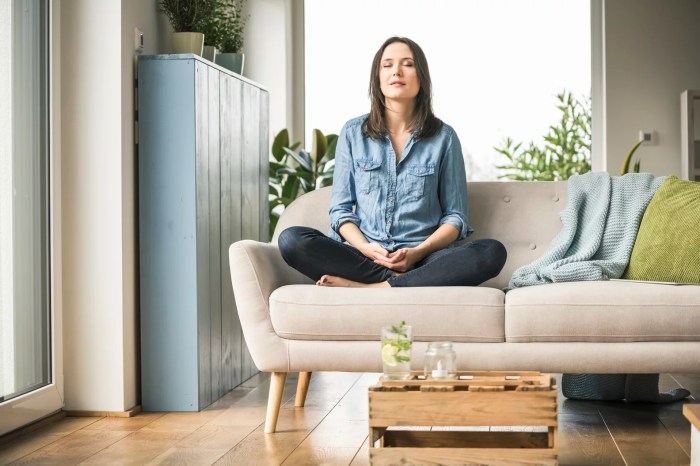
- Chairs: Some people may find chairs more comfortable for meditation, especially if they have back issues or need extra support. Choose a chair that allows you to sit upright with your feet flat on the ground.
Tips for Selecting Seating
- Ergonomics: Ensure that your seating choice supports proper posture and aligns your spine to prevent discomfort or pain during meditation.
- Support: Look for seating options that provide adequate support for your body, especially if you have specific areas that need extra cushioning or protection.
- Comfort: Prioritize comfort when selecting your seating, as you want to be able to relax and focus on your meditation practice without distractions.
Adding Personal Touches: 15 Steps To A Peaceful Meditation Space At Home
Adding personal touches to your meditation space is essential for creating a space that feels uniquely yours. These personal items can help you feel more connected to the space and enhance your overall meditation experience. Here are some suggestions on how to incorporate meaningful decorations while striking a balance between simplicity and personalization.
Meaningful Decorations
- Display items that hold sentimental value to you, such as family photos, heirlooms, or objects from your travels.
- Incorporate elements from nature, like plants, stones, or shells, to bring a sense of tranquility and grounding to the space.
- Use artwork or crafts created by you or loved ones to infuse the space with positive energy and personal creativity.
- Add scented candles, essential oils, or incense that evoke calming scents and help you relax during meditation.
Balance Between Simplicity and Personalization
- Avoid cluttering the space with too many decorations, as this can be distracting and hinder your ability to focus during meditation.
- Choose a few key items that hold special meaning to you and place them strategically around the room to maintain a sense of simplicity and balance.
- Opt for neutral or calming colors for the majority of your decor to create a peaceful atmosphere, while incorporating pops of color with your personal items for added vibrancy.
- Regularly assess your space and make adjustments as needed to ensure that it remains a harmonious blend of simplicity and personalization.
Incorporating Sound Elements
Sound plays a crucial role in creating a peaceful meditation environment at home. The right sounds can help to drown out distractions, promote relaxation, and enhance focus during meditation sessions.
Playing Soothing Music or Nature Sounds
- Consider playing soft instrumental music, such as classical, ambient, or nature sounds like flowing water or bird songs.
- Opt for music without lyrics to prevent the mind from wandering and maintain a sense of tranquility.
- Use nature sound recordings or meditation playlists available online to set the tone for your meditation space.
Benefits of Soundscapes in Enhancing the Meditation Experience
- Soundscapes can help mask background noise and create a peaceful ambiance conducive to meditation.
- Listening to calming sounds can reduce stress, lower heart rate, and promote a deeper sense of relaxation.
- Sound elements can guide breathing patterns, aid in mindfulness, and improve overall meditation focus and effectiveness.
Organizing Clutter-Free Space
Creating a clutter-free environment in your meditation space is essential for promoting a sense of calm and tranquility. Here are some tips to help you declutter and organize your meditation area:
Decluttering Tips
- Start by removing any unnecessary items or distractions from the space. Keep only essential items that contribute to a peaceful atmosphere.
- Designate specific storage areas for your meditation supplies, such as cushions, blankets, or incense, to keep them organized and easily accessible.
- Consider implementing a minimalist approach to decor, opting for simple and serene pieces that enhance the sense of spaciousness in the room.
Storage Solutions
- Utilize baskets, bins, or shelves to neatly store your meditation essentials and prevent clutter from accumulating on the floor or surfaces.
- Incorporate multi-functional furniture pieces, like ottomans with hidden storage compartments, to maximize space and keep the area tidy.
- Consider investing in a dedicated cabinet or armoire to store larger items like yoga mats, bolsters, or meditation cushions when not in use.
Importance of a Clutter-Free Environment
A clutter-free environment promotes mental clarity and focus during meditation practice. By removing distractions and creating an organized space, you can cultivate a sense of peace and serenity that enhances your overall experience.
Enhancing with Aromatherapy
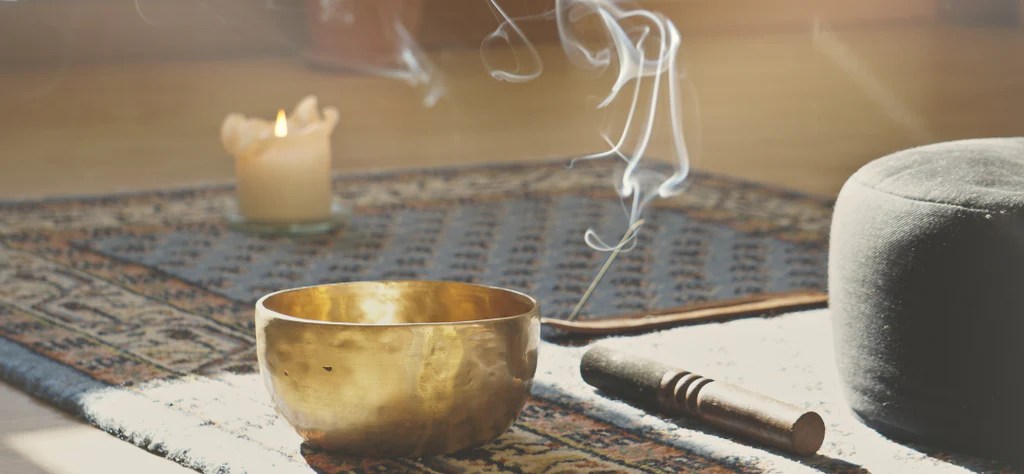
Aromatherapy can play a significant role in creating a peaceful meditation space at home by helping to relax the mind and body, reduce stress, and promote a sense of calmness and well-being.
Calming Scents for Aromatherapy
- Lavender: Known for its soothing properties and ability to promote relaxation.
- Chamomile: Helps to alleviate anxiety and stress, promoting a sense of tranquility.
- Sandalwood: Has a grounding effect, helping to center the mind and enhance focus during meditation.
Ideas for Incorporating Aromatherapy
- Essential Oils: Diffuse essential oils like lavender, chamomile, or sandalwood using a diffuser to fill the space with calming scents.
- Candles: Use scented candles in relaxing fragrances to create a peaceful ambiance and enhance the meditative experience.
- Potpourri: Place bowls of natural potpourri infused with calming scents around the meditation space for a subtle aromatic touch.
Creating a Sacred Space
Creating a sacred space for meditation is essential for fostering a deeper connection with oneself and the divine. This area should be a sanctuary where you can feel at peace, centered, and spiritually uplifted.
Infusing Spiritual Elements, 15 Steps to a Peaceful Meditation Space at Home
- Include religious or spiritual symbols that hold personal significance to you. These can be statues, images, or artifacts that represent your beliefs and values.
- Use sacred texts or scriptures as decor elements. You can display meaningful verses or prayers in calligraphy or artwork to inspire contemplation.
Enhancing with Sacred Objects
- Place crystals or gemstones known for their healing properties around the space. Crystals like amethyst, rose quartz, or clear quartz can enhance the energy and promote spiritual growth.
- Incorporate ritual objects such as candles, incense, or an altar. Lighting candles or burning incense can create a sacred ambiance and help focus your mind during meditation.
Embracing Symbolism
- Consider adding symbols that resonate with your spiritual beliefs, such as the lotus flower for purity and enlightenment, the Om symbol for universal consciousness, or the mandala for harmony and balance.
- Hang tapestries or artwork depicting sacred scenes or deities that inspire reverence and devotion. These visual cues can deepen your spiritual practice and create a sense of sacredness in the space.
Designing a Nature-Inspired Space
Creating a nature-inspired meditation space can greatly enhance the calming effect and promote a sense of tranquility and connection to the outdoors.
Incorporating Plants and Natural Materials
- Introduce indoor plants such as peace lilies, spider plants, or succulents to bring a touch of nature indoors.
- Use natural materials like wood, bamboo, or stone for furniture, decor elements, or flooring to create a grounding and earthy feel.
- Consider incorporating a small water feature like a tabletop fountain to add a soothing sound element and enhance the natural ambiance.
Promoting Relaxation and Connection
- Choose nature-themed decor such as botanical prints, floral patterns, or landscape paintings to create a serene and peaceful atmosphere.
- Opt for earthy tones like greens, blues, browns, and neutrals to mimic the colors of nature and evoke a sense of calmness.
- Include natural textures like rattan, jute, or linen in cushions, throws, or rugs to add warmth and coziness to the space.
Embracing Natural Light

Natural light plays a crucial role in creating a peaceful and harmonious meditation space at home. It not only brightens up the area but also uplifts the mood and promotes a sense of well-being. Embracing natural light in your meditation space can enhance the overall experience and help you feel more connected to the world around you.
Maximizing Natural Light Through Window Treatments
- Opt for sheer or light-colored curtains that allow maximum light to filter through while still providing privacy.
- Consider using blinds or shades that can be easily adjusted to control the amount of light entering the space.
- Choose window treatments that are easy to clean and maintain to ensure a bright and airy atmosphere in your meditation area.
Positioning the Meditation Area to Benefit from Natural Sunlight
- Place your meditation cushion or chair near a window where sunlight can directly stream in during the day.
- Consider the path of the sun throughout the day and position your meditation space in a way that allows you to bask in the morning or afternoon sunlight.
- Avoid placing large furniture or objects that may block natural light from entering the room and create shadows in your meditation space.
Summary
As you conclude this insightful guide on crafting a serene meditation space at home, remember that the key to inner peace lies within the harmonious balance of your surroundings. Embrace the tranquility and mindfulness that your personalized oasis brings, guiding you on a journey of self-discovery and enlightenment.