7 Ways Meditation Helps You Manage Daily Stress presents a transformative journey towards inner peace and resilience, offering profound insights on how meditation can alleviate the burdens of everyday life. Through this exploration, discover the power of mindfulness and emotional intelligence in combating stress, enhancing focus, and fostering long-lasting well-being.
Delve into the depths of meditation’s impact on stress management and unveil the secrets to a calmer, more centered existence.
Benefits of Meditation for Stress Management
Meditation is a powerful tool that can help reduce daily stress levels and promote overall well-being. By incorporating meditation into your daily routine, you can experience a range of benefits that positively impact your mental health and emotional resilience.
Impact on Mental Well-being
Meditation has been shown to have a profound impact on mental well-being by reducing stress, anxiety, and symptoms of depression. Through regular practice, individuals can cultivate a sense of inner peace, clarity of mind, and emotional stability. This allows for better management of daily stressors and challenges, leading to an overall improvement in mental health.
- Mindfulness Meditation: This technique involves focusing on the present moment without judgment, which can help individuals become more aware of their thoughts and emotions. By practicing mindfulness meditation, people can learn to respond to stressors in a calm and controlled manner.
- Transcendental Meditation: This form of meditation involves repeating a mantra silently to oneself, which can help quiet the mind and promote relaxation. Transcendental meditation has been shown to reduce stress hormones and improve overall well-being.
- Guided Visualization: Visualization techniques can help individuals create a mental image of a peaceful place or situation, allowing them to relax and reduce stress levels. By engaging the senses through guided visualization, people can experience a sense of calm and tranquility.
Physical Effects of Meditation on Stress
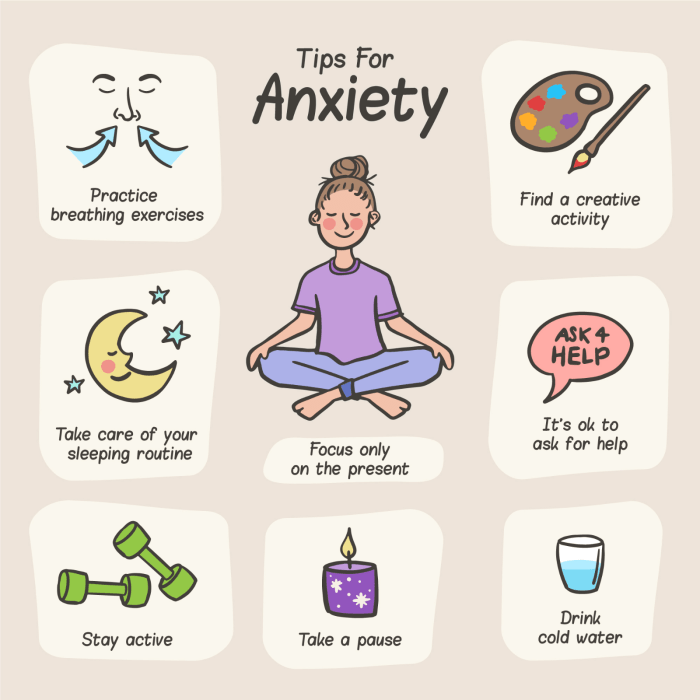
When it comes to managing stress, meditation can have profound effects on the body’s response to stress. By practicing meditation regularly, individuals can experience various physiological changes that help reduce stress levels and promote overall well-being.
Reduction in Cortisol Levels
Meditation has been shown to lower cortisol levels in the body. Cortisol is known as the stress hormone, and high levels of cortisol can contribute to feelings of anxiety and tension. By practicing meditation, individuals can help regulate their cortisol levels, leading to a calmer and more relaxed state.
Improved Heart Health
Studies have indicated that meditation can have a positive impact on heart health. Regular meditation practice has been linked to lower blood pressure, reduced heart rate, and improved cardiovascular function. These changes can help reduce the risk of heart disease and other stress-related conditions.
Enhanced Immune Function
Meditation has also been associated with improved immune function. Chronic stress can weaken the immune system, making individuals more susceptible to illness. By reducing stress levels through meditation, individuals can boost their immune response and better defend against infections and diseases.
Relaxation Response
During meditation, the body enters a state of deep relaxation known as the relaxation response. This state is characterized by decreased heart rate, relaxed muscles, and a sense of calmness. By regularly eliciting the relaxation response through meditation, individuals can counteract the effects of stress and promote relaxation throughout the day.
Psychological Benefits of Meditation
Meditation not only has physical effects on stress management but also offers psychological benefits that can help enhance cognitive functions and reduce anxiety and worry. Here, we delve into how mindfulness through meditation can positively impact one’s mental well-being.
Enhanced Cognitive Functions
- Meditation has been shown to improve attention span, memory, and focus, which are crucial in managing stress effectively.
- Regular practice of meditation can enhance cognitive flexibility, allowing individuals to adapt to stressful situations with more ease and clarity.
- By calming the mind through meditation, one can experience improved problem-solving skills and decision-making abilities, reducing the impact of stressors.
Role of Mindfulness in Reducing Anxiety and Worry
- Mindfulness, a key component of many meditation practices, involves focusing on the present moment without judgment, which can help alleviate anxiety and worry.
- Through mindfulness meditation, individuals can develop a greater sense of self-awareness and acceptance, reducing the tendency to ruminate on past events or worry about the future.
- By cultivating mindfulness, individuals can learn to observe their thoughts and emotions without getting caught up in them, leading to a calmer and more balanced mental state.
Personal Experiences of Psychological Benefits
- Many individuals report feeling more emotionally resilient and better equipped to handle stress after incorporating meditation into their daily routine.
- Personal anecdotes often highlight how meditation has helped individuals gain a new perspective on their thoughts and emotions, leading to reduced stress levels and improved overall well-being.
- By practicing meditation regularly, individuals can develop a deeper sense of inner peace and emotional stability, allowing them to navigate daily stressors with greater ease.
Improving Emotional Resilience through Meditation

Meditation is a powerful tool that can help individuals build emotional resilience to better cope with the daily stressors of life. By practicing meditation regularly, individuals can develop the skills needed to regulate their emotions and promote emotional well-being.
Regulating Emotions through Meditation
- Meditation teaches individuals to observe their thoughts and emotions without judgment, allowing them to respond to challenging situations with greater clarity and composure.
- By focusing on the present moment during meditation, individuals can cultivate a sense of calm and inner peace that carries over into their daily lives, helping them navigate stressful situations with more resilience.
- Regular meditation practice can lead to increased self-awareness, enabling individuals to identify and address negative emotions before they escalate and impact their well-being.
Impact on Emotional Intelligence
- Research has shown that meditation can enhance emotional intelligence by improving self-awareness, self-regulation, empathy, and social skills.
- Individuals with higher emotional intelligence are better equipped to manage stress, build positive relationships, and make sound decisions in challenging circumstances.
- By improving emotional intelligence through meditation, individuals can develop a greater sense of resilience and adaptability, allowing them to navigate life’s ups and downs with greater ease.
Enhancing Focus and Clarity with Meditation

Meditation can be a powerful tool to enhance focus, concentration, and mental clarity, which are essential for managing daily stress effectively. By incorporating specific techniques within meditation practices, individuals can sharpen their cognitive abilities and improve their overall mental well-being.
Techniques for Enhancing Cognitive Abilities
- Focus on the breath: One common meditation technique involves focusing on the breath to anchor the mind and increase awareness. This practice can help individuals develop better concentration skills and improve their ability to stay present in the moment.
- Visualizations: Guided visualizations during meditation can enhance mental clarity by creating vivid images that stimulate the mind and promote a sense of relaxation. This technique can also improve cognitive function and boost creativity.
- Body scan meditation: By systematically scanning the body for sensations and focusing on each part, individuals can improve their ability to direct attention and cultivate a deeper sense of mindfulness. This practice can enhance cognitive flexibility and reduce stress levels.
The Impact of a Clear Mind on Daily Stress Levels
- A clear and focused mind through meditation can significantly reduce daily stress levels by helping individuals manage their thoughts and emotions more effectively. When the mind is clear and free from distractions, it becomes easier to approach challenges with a sense of calm and resilience.
- Enhanced focus and mental clarity enable individuals to prioritize tasks, make better decisions, and respond to stressful situations with greater composure. This leads to a more balanced and proactive approach to managing stress in daily life.
- By cultivating a clear mind through regular meditation practice, individuals can develop a heightened sense of self-awareness and emotional regulation, which are key components of stress management. This increased awareness allows individuals to recognize stress triggers and respond to them in a more constructive manner.
Cultivating Mindfulness and Awareness through Meditation: 7 Ways Meditation Helps You Manage Daily Stress
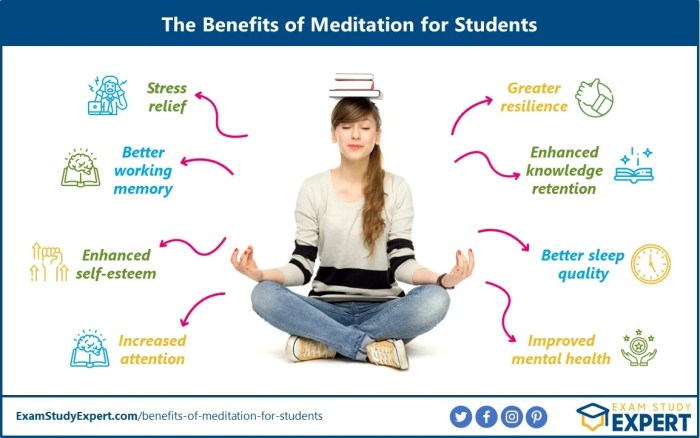
Mindfulness is the practice of being fully present and engaged in the moment, without judgment. It involves paying attention to thoughts, feelings, sensations, and the surrounding environment. Cultivating mindfulness through meditation can significantly contribute to stress management by helping individuals become more aware of their thoughts and emotions.
Benefits of Mindfulness in Stress Management, 7 Ways Meditation Helps You Manage Daily Stress
Practicing mindfulness can help individuals recognize stress triggers and patterns, allowing them to respond to stressful situations in a more calm and composed manner. By increasing self-awareness and understanding their reactions to stress, individuals can develop healthier coping mechanisms.
- Enhances Emotional Regulation: Mindfulness meditation helps individuals observe their emotions without reacting impulsively, leading to better emotional regulation and reduced stress levels.
- Improves Decision-Making: By cultivating mindfulness, individuals can make decisions more thoughtfully and rationally, reducing the impact of stress on their decision-making process.
- Promotes Acceptance: Mindfulness encourages individuals to accept their thoughts and feelings without judgment, fostering self-compassion and resilience in the face of stress.
Incorporating Mindfulness into Daily Routine
Integrating mindfulness practices into daily routines can help individuals manage stress more effectively. Here are some practical tips to incorporate mindfulness into your daily life:
- Start with a Short Meditation: Begin your day with a brief meditation session to set a positive tone for the day and cultivate mindfulness.
- Practice Mindful Breathing: Take short breaks throughout the day to focus on your breath, bringing your attention back to the present moment.
- Engage in Mindful Activities: Perform daily tasks such as eating, walking, or showering mindfully, paying attention to each sensation and experience.
- Stay Present in Conversations: Practice active listening and stay fully engaged in conversations without distractions, enhancing your mindfulness skills.
Long-Term Effects of Regular Meditation for Stress Management
Regular meditation practice can have profound long-term effects on stress management. As individuals incorporate meditation into their daily routine, they begin to cultivate a sense of inner calm and resilience that extends beyond the immediate moment of practice. Over time, this consistent practice can lead to a reduction in overall stress levels and an increased ability to cope with challenging situations.
Cumulative Benefits of Meditation on Overall Well-being and Stress Resilience
- Meditation helps individuals build emotional resilience by fostering a greater sense of self-awareness and self-regulation.
- Regular practice of meditation can lead to improved sleep patterns, reduced anxiety, and enhanced mood stability.
- By reducing the physiological markers of stress, such as cortisol levels, meditation supports overall well-being and physical health.
Success Stories and Research Findings Supporting Sustained Impact of Meditation on Daily Stress Management
Research studies have shown that individuals who engage in regular meditation practices experience lower levels of perceived stress and exhibit greater emotional well-being compared to non-meditators.
- A study published in the Journal of Consulting and Clinical Psychology found that mindfulness meditation reduced symptoms of anxiety and depression in participants over an eight-week period.
- Success stories from individuals who have integrated meditation into their daily routine often highlight a significant decrease in stress levels and an increased ability to maintain a sense of calm in the face of adversity.
- Long-term meditators report enhanced overall quality of life, improved relationships, and a greater capacity to navigate life’s challenges with equanimity.
Last Recap
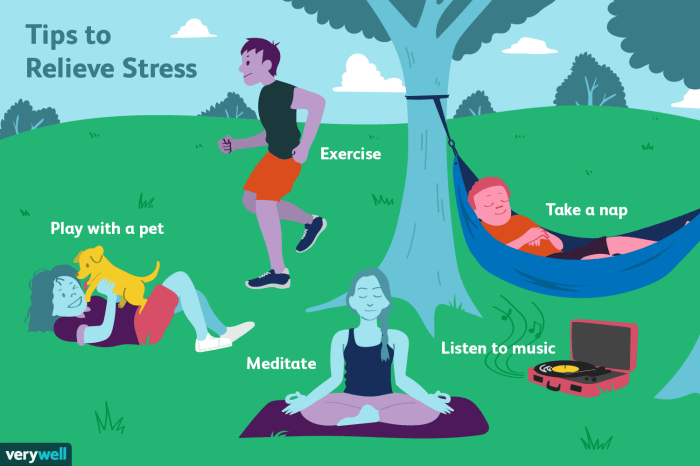
Embark on a path of self-discovery and mental fortitude as you embrace the profound benefits of meditation for stress relief. Let the wisdom gained from these 7 ways guide you towards a harmonious equilibrium in the face of life’s challenges.