Delving into 5 Breathing Techniques to Use for Instant Calm, this introduction immerses readers in a unique and compelling narrative, engaging them right from the start. Learn how these techniques can transform stress and anxiety into instant calmness.
Discover the power of diaphragmatic breathing, box breathing, alternate nostril breathing, and the 4-7-8 breathing technique. Master these methods to achieve tranquility whenever you need it.
Introduction to Breathing Techniques
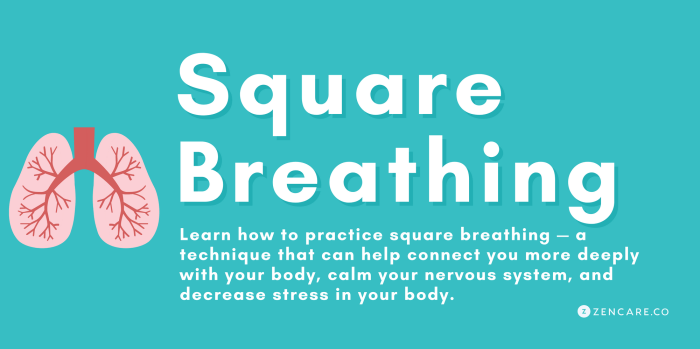
Breathing techniques play a crucial role in managing stress and anxiety in our daily lives. The way we breathe has a direct impact on our nervous system, influencing our overall well-being. By practicing specific breathing exercises, we can achieve instant calm and relaxation, enabling us to navigate through challenging situations with more clarity and ease.
Benefits of Breathing Techniques
- Better Stress Management: Breathing exercises help regulate the stress response in our bodies, reducing the production of stress hormones and promoting a sense of calmness.
- Improved Focus and Concentration: By focusing on our breath, we can enhance our concentration levels and improve our cognitive function.
- Enhanced Emotional Regulation: Breathing techniques can assist in controlling our emotions and reactions, allowing us to respond more thoughtfully to various stimuli.
- Physical Relaxation: Deep breathing promotes muscle relaxation and can alleviate physical tension, contributing to an overall sense of well-being.
- Improved Sleep Quality: Practicing breathing exercises before bedtime can help calm the mind and body, leading to better sleep quality and overall restfulness.
Diaphragmatic Breathing Technique

Diaphragmatic breathing, also known as belly breathing, is a technique that involves engaging the diaphragm muscle to take deep, slow breaths. This type of breathing is often used in relaxation exercises and meditation to help calm the mind and body.
How Diaphragmatic Breathing Works and Its Impact on the Nervous System
Diaphragmatic breathing works by expanding the lungs fully with each breath, allowing more oxygen to enter the body. This activates the parasympathetic nervous system, which is responsible for the body’s rest and relaxation response. By engaging the diaphragm, you can lower your heart rate, reduce stress levels, and promote a sense of calmness.
Step-by-Step Guide to Performing Diaphragmatic Breathing
- Find a comfortable and quiet place to sit or lie down.
- Place one hand on your chest and the other on your belly.
- Inhale slowly through your nose, feeling your belly rise as you fill your lungs with air.
- Exhale slowly through your mouth, feeling your belly fall as you release the air.
- Continue this deep breathing pattern for several minutes, focusing on the rise and fall of your belly.
Physiological Changes When Practicing Diaphragmatic Breathing
When practicing diaphragmatic breathing, several physiological changes occur in the body. These include:
- Decreased heart rate and blood pressure.
- Increased oxygen levels in the blood.
- Activation of the parasympathetic nervous system.
- Reduced levels of stress hormones like cortisol.
- Improved digestion and relaxation of muscles.
Box Breathing Technique: 5 Breathing Techniques To Use For Instant Calm
Box breathing is a deep breathing technique that can help promote relaxation and reduce stress and anxiety. It involves taking slow, deep breaths in a specific pattern to calm the nervous system and increase mindfulness.The four stages of box breathing are as follows:
1. Inhale
Take a slow, deep breath through your nose for a count of four seconds.
2. Hold
Hold your breath for a count of four seconds.
3. Exhale
Slowly exhale through your mouth for a count of four seconds.
4. Hold
Hold your breath for a count of four seconds before beginning the cycle again.The significance of each stage lies in the deliberate control of breathing and the focus on the breath itself. This rhythmic pattern can help regulate the autonomic nervous system, leading to a sense of calm and centeredness.
Variations of Box Breathing
- Extended Box Breathing: Increase the count to six or eight seconds for each stage to deepen the relaxation response.
- Reverse Box Breathing: Start the cycle by exhaling first, then continue with the usual pattern of holding and inhaling.
- Visualized Box Breathing: Picture a box in your mind as you breathe, tracing each side with your breath for added focus and visualization.
- Guided Box Breathing: Use a guided meditation or visualization to enhance the experience and deepen relaxation.
Alternate Nostril Breathing (Nadi Shodhana)
Alternate Nostril Breathing, also known as Nadi Shodhana, is a powerful breathing technique that helps balance the energy in the body. By alternating the breath between the left and right nostrils, this practice aims to harmonize the two hemispheres of the brain, promoting a sense of calmness and mental clarity.
How to Practice Alternate Nostril Breathing Effectively
- Find a comfortable seated position with your spine straight and shoulders relaxed.
- Place your left hand on your left knee with the palm facing up in Jnana mudra (index finger and thumb touching).
- Use your right hand, bring your index and middle fingers to rest between your eyebrows.
- Close your right nostril with your right thumb and inhale deeply through your left nostril.
- Close your left nostril with your right ring finger, release the right nostril, and exhale slowly.
- Inhale through the right nostril, then close it and exhale through the left nostril.
- This completes one round. Continue for several rounds, focusing on the gentle flow of breath.
Potential Benefits on Mental Clarity and Focus, 5 Breathing Techniques to Use for Instant Calm
- Calms the mind and nervous system, reducing stress and anxiety levels.
- Improves concentration and focus by balancing the left and right brain hemispheres.
- Enhances overall mental clarity and decision-making abilities.
- Helps in purifying and balancing the energy channels in the body, promoting a sense of well-being.
4-7-8 Breathing Technique
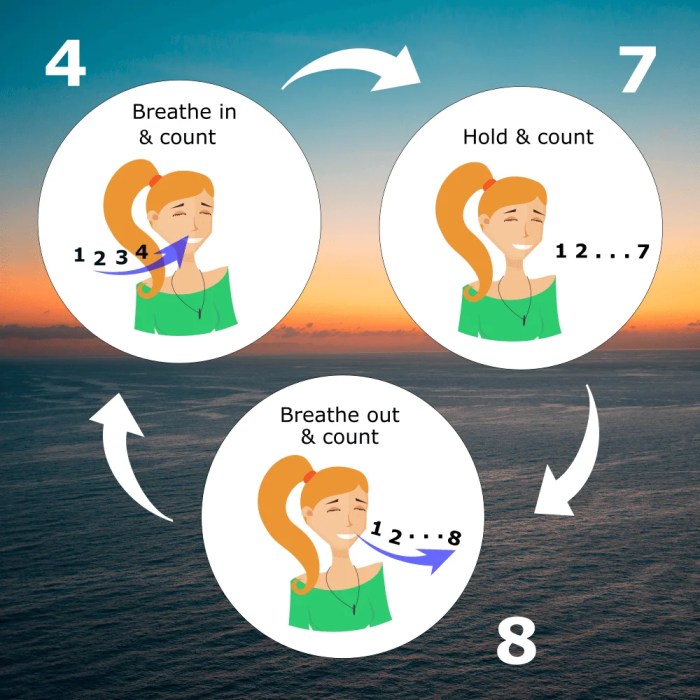
The 4-7-8 breathing technique is a simple yet effective method to promote relaxation and reduce stress. By following a specific breathing pattern, individuals can quickly calm their mind and body, leading to a sense of tranquility.When practicing the 4-7-8 breathing technique, individuals should follow these steps:
How to Perform the 4-7-8 Breathing Technique Correctly
- Inhale quietly through your nose for a count of 4 seconds.
- Hold your breath for a count of 7 seconds.
- Exhale slowly and audibly through your mouth for a count of 8 seconds.
- Repeat the cycle up to four times or until you feel more relaxed and centered.
This breathing pattern helps regulate the autonomic nervous system, specifically activating the body’s relaxation response. The extended exhalation phase allows for a release of carbon dioxide and helps slow down the heart rate, promoting a sense of calmness and well-being.
Real-Life Scenarios Where the 4-7-8 Breathing Technique Can Be Helpful
- Before a stressful presentation or public speaking engagement, the 4-7-8 breathing technique can help calm nerves and improve focus.
- When experiencing anxiety or feeling overwhelmed, taking a few minutes to practice this breathing technique can aid in reducing feelings of panic and promoting a sense of control.
- Before bedtime, incorporating the 4-7-8 breathing technique into a nightly routine can promote relaxation and improve sleep quality.
Wrap-Up
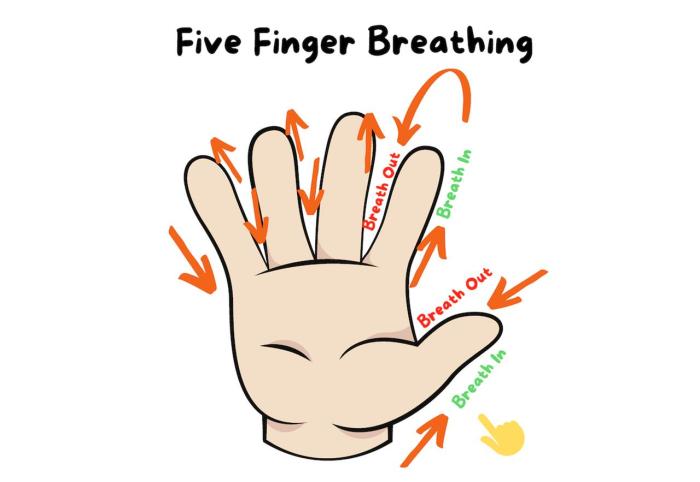
In conclusion, incorporating these 5 Breathing Techniques into your daily routine can lead to a calmer, more centered state of being. Embrace the power of your breath to find instant peace and clarity in any situation.