At the forefront of mental well-being, 20 Positive Impacts of Meditation on Mental Health delves into the transformative effects of meditation, shedding light on its profound advantages for the mind and body.
This comprehensive guide navigates through the cognitive, emotional, and physical benefits of meditation, offering insights into its role in enhancing overall wellness.
Positive Impacts of Meditation on Mental Health
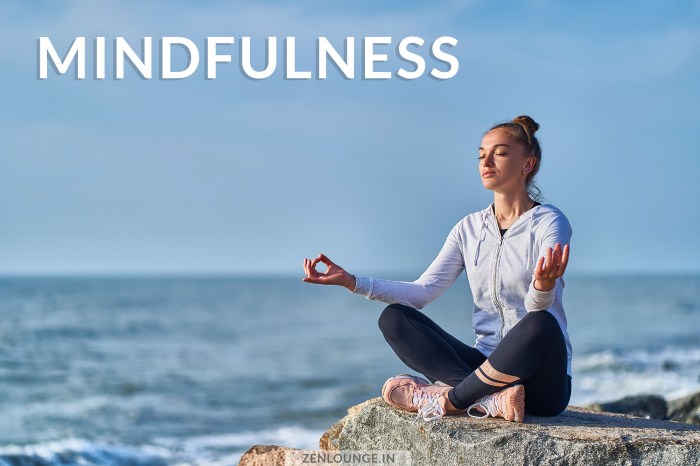
Meditation has numerous positive impacts on mental health, offering a wide range of benefits that contribute to overall well-being. One of the key benefits of meditation is its ability to reduce stress levels, leading to improved mental health and a sense of calmness.
Reduction of Stress Levels
- Meditation helps in reducing the production of stress hormones like cortisol, which are responsible for triggering the body’s stress response.
- By practicing mindfulness meditation, individuals can learn to manage their stress better and develop a more positive outlook on life.
- Regular meditation sessions can help in lowering blood pressure and heart rate, leading to a more relaxed state of mind.
Improvement in Focus and Concentration
- Meditation techniques, such as focused-attention meditation, can enhance cognitive functions like attention span and concentration.
- Through consistent practice, individuals can train their minds to stay focused on the present moment, improving productivity and reducing distractions.
- Increased focus and concentration from meditation can also help in managing symptoms of attention disorders like ADHD.
Promotion of Emotional Well-being, 20 Positive Impacts of Meditation on Mental Health
- Meditation fosters self-awareness and emotional regulation, allowing individuals to recognize and manage their emotions effectively.
- Regular meditation practice can reduce symptoms of anxiety and depression by promoting a more positive mindset and emotional balance.
- By cultivating a sense of inner peace and contentment, meditation can enhance overall emotional well-being and resilience to stressors.
Cognitive Benefits of Meditation: 20 Positive Impacts Of Meditation On Mental Health
Meditation not only has positive impacts on mental health, but it also enhances cognitive function in individuals. The practice of meditation can lead to improvements in various cognitive processes, such as memory, attention, and creativity.
Impact on Memory
Meditation has been found to have a significant impact on memory. Regular practice of meditation can improve both short-term and long-term memory functions. By calming the mind and reducing stress, meditation helps individuals focus better and retain information more effectively. Studies have shown that meditation can also enhance cognitive flexibility, which is crucial for memory recall and storage.
Increase in Creativity
One of the cognitive benefits of meditation is its ability to increase creativity. By promoting a clear and focused mind, meditation can unlock new ideas and solutions to problems. The practice of mindfulness meditation, in particular, encourages divergent thinking and the ability to see things from different perspectives. This enhanced creativity can lead to innovative thinking and improved problem-solving skills in individuals who regularly meditate.
Emotional Regulation through Meditation
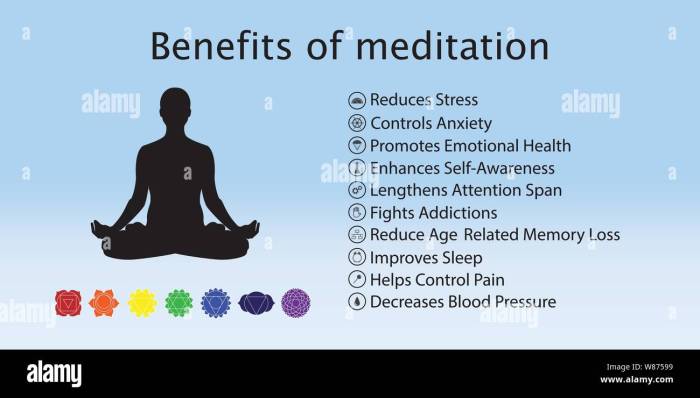
Meditation has been shown to have a profound impact on emotional regulation, providing individuals with tools to manage their feelings and reactions in a healthier way. By cultivating mindfulness and awareness, meditation helps individuals become more attuned to their emotions and better equipped to navigate them.
Improved Emotional Intelligence
- Meditation enhances self-awareness, allowing individuals to recognize and understand their emotions more effectively.
- By practicing mindfulness, individuals can develop greater empathy towards others and improve their relationships.
- Regular meditation can lead to better emotional regulation, reducing impulsivity and enhancing decision-making skills.
Fostering Inner Peace and Calm
- Through meditation, individuals can create a sense of inner peace and calm that extends beyond the meditation practice itself.
- By focusing on the present moment, meditation helps individuals let go of past regrets and future anxieties, promoting a state of tranquility.
- Regular meditation practice can reduce stress levels, leading to a more balanced emotional state and increased overall well-being.
Meditation Techniques for Mental Health

Meditation techniques play a crucial role in promoting mental well-being by helping individuals cultivate mindfulness, reduce stress, and improve emotional regulation. Different meditation practices offer unique benefits, catering to various mental health needs.
Mindfulness Meditation for Anxiety Disorders
Mindfulness meditation, a practice that involves focusing on the present moment without judgment, has shown significant benefits for individuals with anxiety disorders. By bringing attention to the present moment, mindfulness meditation helps individuals break free from rumination and catastrophic thinking patterns that often exacerbate anxiety. Through regular practice, individuals can learn to observe their thoughts and emotions without getting caught up in them, leading to reduced anxiety symptoms and increased overall well-being.
Loving-Kindness Meditation for Mental Well-Being
Loving-kindness meditation, also known as Metta meditation, involves cultivating feelings of love, compassion, and goodwill towards oneself and others. This practice has been linked to improved mood, reduced symptoms of depression, and increased feelings of social connection. By fostering positive emotions and self-compassion, loving-kindness meditation can enhance overall mental well-being and resilience to stress. Practitioners may experience greater empathy, forgiveness, and emotional balance, leading to a more positive outlook on life.
Physical Health Benefits of Meditation

Meditation not only has a positive impact on mental health but also plays a significant role in improving physical well-being. One of the key aspects of meditation is its ability to enhance overall physical health, contributing to a healthier lifestyle and increased longevity.
Improved Sleep Quality
Meditation has been shown to be an effective tool in improving sleep quality. By calming the mind and reducing stress levels, meditation can help individuals achieve a state of relaxation that promotes better sleep. This can lead to a more restful night’s sleep and improved overall health.
Overall Wellness and Longevity
Regular meditation practice can contribute to overall wellness and longevity by reducing the risk of various health conditions such as heart disease, high blood pressure, and chronic pain. It promotes a sense of well-being and balance in both the mind and body, leading to a healthier and more fulfilling life.
Meditation Practices for Stress Management
Meditation has long been recognized as an effective tool for managing stress and promoting overall well-being. By incorporating meditation into your daily routine, you can cultivate a sense of calm and inner peace that can help you navigate life’s challenges with greater ease.
Mindful Breathing Meditation
- Find a quiet and comfortable place to sit or lie down.
- Close your eyes and take a few deep breaths to center yourself.
- Focus on your breath, observing the sensation of each inhale and exhale.
- When your mind starts to wander, gently bring your attention back to your breath.
- Continue this practice for 10-15 minutes, gradually increasing the duration as you become more comfortable.
Body Scan Meditation
- Lie down in a comfortable position and close your eyes.
- Starting from your toes, bring your awareness to each part of your body, scanning for any tension or discomfort.
- Consciously release any tension you notice, allowing yourself to fully relax.
- Move slowly up your body, focusing on each body part until you reach the top of your head.
- Take deep breaths throughout the practice to deepen your relaxation.
Loving-Kindness Meditation
- Sit comfortably and close your eyes, focusing on your breath to center yourself.
- Think of someone you love or care deeply about and silently repeat phrases of well-wishes for them, such as “May you be happy, may you be healthy, may you be safe.”
- Extend these wishes to yourself, then to neutral individuals, and finally to someone you may have difficulty with.
- Allow feelings of compassion and kindness to flow through you as you practice.
- Continue for a few minutes or as long as you feel comfortable.
End of Discussion

In conclusion, the myriad benefits of meditation on mental health underscore its significance as a powerful tool for cultivating inner peace, emotional resilience, and cognitive clarity. Embrace the practice of meditation to unlock a path towards holistic well-being and vitality.