10 Techniques for Achieving a Deeper Meditation State embarks on a journey to explore the transformative power of meditation, offering insights into how you can deepen your practice and elevate your spiritual well-being. From breathing techniques to mindful movement, this guide delves into a myriad of strategies to help you unlock a profound state of meditation.
Importance of Deep Meditation
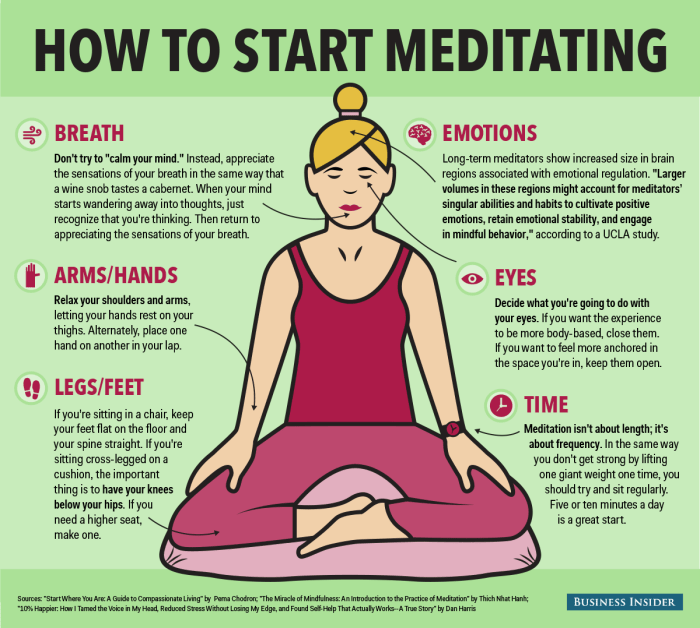
Deep meditation plays a crucial role in enhancing overall well-being by allowing individuals to connect with their inner selves on a profound level. It offers a myriad of benefits that positively impact mental, emotional, and spiritual aspects of one’s life.
Enhanced Mental Clarity
- Deep meditation helps clear the mind of clutter and distractions, leading to improved focus, concentration, and cognitive function.
- By quieting the incessant chatter of the mind, individuals can experience greater mental clarity and enhanced problem-solving abilities.
Emotional Stability
- Through deep meditation, individuals can gain better control over their emotions and reactions to external stimuli.
- It helps in reducing stress, anxiety, and negative emotions, promoting a sense of inner peace and emotional balance.
Spiritual Growth and Self-Awareness
- Deep meditation enables individuals to explore their innermost thoughts, beliefs, and values, leading to profound spiritual growth.
- It fosters a deeper connection with oneself and the universe, enhancing self-awareness and promoting personal growth and transformation.
Breathing Techniques
Breathing techniques play a crucial role in achieving a deeper state of meditation. By focusing on the breath, practitioners can enhance their mindfulness and concentration, leading to a more profound meditation experience.
Rhythmic Breathing Patterns
- Rhythmic breathing involves inhaling and exhaling at a steady pace, such as counting to a specific number for each breath cycle. This technique helps synchronize the mind and body, promoting relaxation and focus.
- Benefits of rhythmic breathing patterns during meditation include reducing stress and anxiety levels, regulating heart rate, and calming the nervous system. It also aids in quieting the mind and enhancing mental clarity.
- Practicing rhythmic breathing can create a sense of balance and harmony within the body, allowing for a deeper connection to the present moment and fostering a more profound meditative state.
Deep Breathing for Calming the Mind
- Deep breathing involves taking slow, deliberate breaths that fully expand the lungs and diaphragm. This technique helps activate the body’s relaxation response, reducing tension and promoting a sense of calmness.
- By focusing on deep breathing during meditation, individuals can release physical and mental stress, leading to a quieter and more focused mind. This allows for a deeper exploration of one’s inner self and emotions.
- Deep breathing also increases oxygen flow to the brain, enhancing cognitive function and concentration. It can help alleviate distractions and promote a sense of presence and awareness during meditation practice.
Mindfulness Practices
Mindfulness practices play a crucial role in deepening the meditation experience by helping individuals stay present in the moment and cultivate awareness of their thoughts, emotions, and sensations. By focusing on the present moment without judgment, practitioners can enhance their concentration and create a deeper connection with their inner selves.
Cultivating Mindfulness Techniques
- Focus on your breath: Concentrate on the sensation of your breath as you inhale and exhale, bringing your attention back whenever your mind starts to wander.
- Body scan meditation: Slowly scan your body from head to toe, noticing any tension or discomfort and releasing it with each breath.
- Labeling thoughts: When thoughts arise during meditation, simply label them as “thinking” and gently return your focus to your breath or a mantra.
- Walking meditation: Practice mindfulness while walking by paying attention to each step, the sensations in your feet, and the movement of your body.
Deeper State of Meditation through Mindfulness
Staying present in the moment during meditation sessions can lead to a deeper state of relaxation and heightened awareness. By being fully engaged in the present experience and observing thoughts without attachment, individuals can transcend distractions and connect with their inner selves on a profound level.
Guided Meditation
Guided meditation is a powerful tool that can help individuals achieve a deeper state of relaxation by providing a structured approach to meditation. By following a guided meditation script or audio recording, practitioners are able to focus their minds and bodies more effectively, leading to a more profound meditative experience.
Benefits of Guided Meditation
- Guided meditation can help beginners navigate the practice of meditation, making it easier to stay focused and relaxed.
- It provides a sense of support and guidance, helping individuals feel more grounded and connected during their meditation sessions.
- Guided meditation can lead to a deeper sense of self-awareness and introspection, allowing practitioners to explore their thoughts and emotions more effectively.
Examples of Guided Meditation Resources, 10 Techniques for Achieving a Deeper Meditation State
- Apps like Headspace and Calm offer a wide range of guided meditation sessions for different purposes, such as stress relief, better sleep, and increased focus.
- Websites like Insight Timer provide a library of guided meditations from various teachers and practitioners, allowing users to explore different styles and techniques.
- YouTube channels dedicated to guided meditation, such as The Honest Guys and Jason Stephenson, offer free videos for relaxation, healing, and spiritual growth.
Overcoming Distractions with Guided Meditation
- Guided meditation helps in overcoming distractions by providing a focal point for the mind to concentrate on, such as the voice of the guide or specific visualizations.
- By following a guided meditation script, individuals are less likely to get lost in wandering thoughts or external disturbances, allowing for a deeper state of relaxation and mindfulness.
- The structured nature of guided meditation sessions can help in gently bringing the mind back to the present moment whenever distractions arise, leading to a more profound meditative experience.
Visualization Techniques
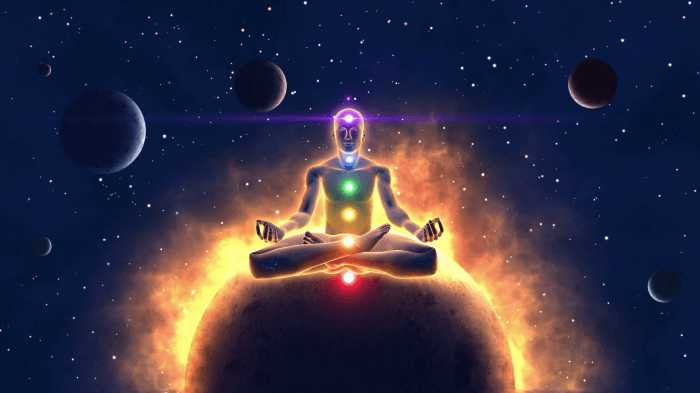
Visualization techniques play a crucial role in enhancing the depth of meditation by leveraging the power of the mind to create vivid mental images. By incorporating visualization into your meditation practice, you can stimulate your imagination, promote relaxation, and deepen your connection to the present moment.
Tips for Using Imagery and Visualization
- Choose a peaceful and calming setting in your mind to visualize during meditation, such as a serene beach or a lush forest.
- Focus on engaging all your senses in the visualization process, incorporating sights, sounds, smells, textures, and even tastes.
- Use positive and uplifting imagery to evoke feelings of joy, gratitude, and inner peace during your meditation practice.
- Allow yourself to fully immerse in the visualizations, letting go of any distractions or negative thoughts that may arise.
- Practice consistency and patience in incorporating visualization techniques into your meditation routine to reap the full benefits over time.
Connection Between Visualization and Deeper Meditation
Visualizations can help you enter a state of deep relaxation by engaging your mind in a focused and immersive experience. By visualizing calming and tranquil scenes, you can reduce stress, anxiety, and mental clutter, allowing for a more profound meditative state. The connection between visualization and achieving a deeper meditative state lies in the ability of the mind to create a sensory-rich environment that promotes relaxation and inner peace.
Body Scan Meditation
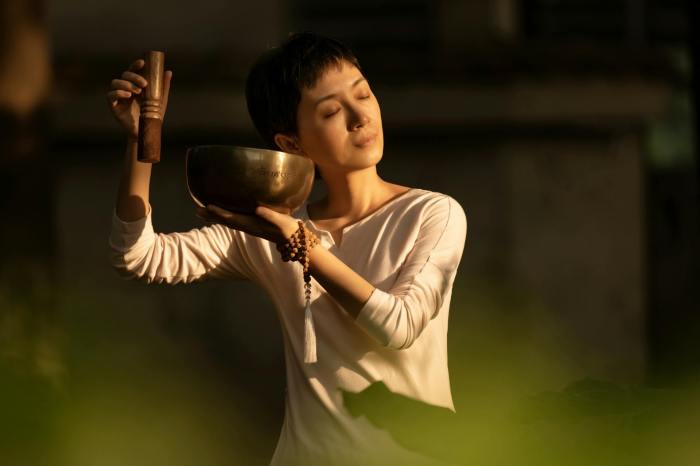
Body scan meditation is a mindfulness practice that involves focusing on each part of the body, from head to toe, to cultivate awareness and presence. This technique plays a crucial role in achieving a deeper state of mindfulness by promoting relaxation, stress reduction, and heightened body awareness.
How to Perform Body Scan Meditation
- Find a comfortable and quiet place to sit or lie down.
- Close your eyes and bring your attention to your breath, taking a few deep inhales and exhales to center yourself.
- Begin by directing your focus to the top of your head, slowly moving down through each part of your body, paying attention to any sensations you may feel.
- Notice any areas of tension or discomfort, and with each exhale, imagine releasing the tension and letting go of any stress.
- Continue this process until you reach your toes, allowing yourself to fully immerse in the present moment and the sensations within your body.
Benefits of Body Scan Meditation
- Enhances mind-body connection: By tuning into the sensations of each body part, body scan meditation helps strengthen the connection between the mind and body.
- Promotes relaxation: This practice aids in releasing physical tension and promoting relaxation throughout the body, leading to a state of deep calmness.
- Increases self-awareness: Body scan meditation allows individuals to become more aware of their bodies, thoughts, and emotions, fostering a greater sense of self-awareness.
- Reduces stress and anxiety: By focusing on the present moment and letting go of tension, body scan meditation can help reduce stress and anxiety levels.
Mantra Meditation
Mantra meditation is a powerful technique that involves the repetition of sacred words, phrases, or sounds to deepen the meditation experience. By chanting mantras, practitioners can focus their minds, quiet internal chatter, and connect with a higher state of consciousness.Chanting mantras can help create a sense of rhythm and flow in the meditation practice, allowing individuals to let go of distractions and enter a deeper state of relaxation.
The vibrational energy produced by reciting mantras can also resonate within the body, promoting a sense of inner peace and harmony.
Powerful Mantras for Deep Meditation
- Om: Considered the most sacred mantra in Hinduism, Om represents the sound of the universe and can help align the mind, body, and spirit.
- So Hum: This mantra translates to “I am that” in Sanskrit, emphasizing the interconnectedness of all beings and aiding in self-realization.
- Om Mani Padme Hum: A Tibetan Buddhist mantra, this phrase invokes the blessings of compassion and wisdom, guiding practitioners towards enlightenment.
Chanting powerful mantras can elevate the meditation practice, helping individuals transcend the limitations of the mind and connect with their innermost selves.
Silence and Solitude
In the practice of meditation, creating a quiet and solitary environment plays a crucial role in deepening the experience and achieving a profound state of mindfulness. The absence of external distractions allows individuals to focus inward, enhancing their ability to connect with their inner selves on a deeper level.
Creating a Peaceful Meditation Space
- Avoid noisy environments: Choose a space away from traffic, loud appliances, or other sources of noise that can disrupt your concentration.
- Declutter the space: Keep the area clean and organized to promote a sense of calm and tranquility.
- Use calming elements: Incorporate elements like candles, essential oils, or calming music to create a serene atmosphere.
Enhancing Concentration and Deepening Meditation
- Improved focus: Silence and solitude help in sharpening your focus by eliminating external distractions, allowing you to concentrate better during meditation.
- Heightened awareness: By immersing yourself in a quiet environment, you become more attuned to your thoughts, emotions, and sensations, leading to a deeper meditative state.
- Inner reflection: Solitude provides the space for introspection and self-reflection, enabling you to explore your inner world with clarity and depth.
Mindful Movement: 10 Techniques For Achieving A Deeper Meditation State
Incorporating mindful movement, such as yoga or Tai Chi, can significantly deepen the meditation experience by combining the benefits of physical activity with mental focus and relaxation. This synergistic approach allows individuals to enhance their mind-body connection and achieve a deeper state of meditation.
Benefits of Mindful Movement in Meditation
- Improves flexibility and strength: Engaging in mindful movement practices like yoga or Tai Chi helps to increase flexibility and build strength in the body, creating a more comfortable and stable posture for meditation.
- Enhances focus and concentration: The combination of movement with mindful awareness helps to sharpen mental focus and concentration, making it easier to quiet the mind and enter a deeper meditative state.
- Promotes relaxation and stress reduction: Mindful movement techniques promote relaxation by releasing tension in the body and calming the mind, allowing for a more peaceful and tranquil meditation experience.
- Fosters mindfulness and body awareness: By paying close attention to the movements of the body during mindful practices, individuals develop a greater sense of body awareness and mindfulness, which can be carried over into meditation for a more profound experience.
Setting Intentions
Setting intentions before a meditation session is crucial for deepening the practice. It allows you to focus your mind and energy towards a specific goal, guiding your meditation towards a deeper state of awareness and presence.
Importance of Setting Intentions
- Clarifies Focus: Setting intentions helps clarify what you aim to achieve during your meditation practice. This clarity of purpose directs your attention and prevents distractions.
- Guides the Mind: By setting positive intentions, you provide your mind with a roadmap for the meditation session. This guidance helps in maintaining a clear and centered state of mind.
- Enhances Experience: When you set intentions aligned with your values and goals, you create a powerful intention that can lead to a more profound and meaningful meditative experience.
Outcome Summary
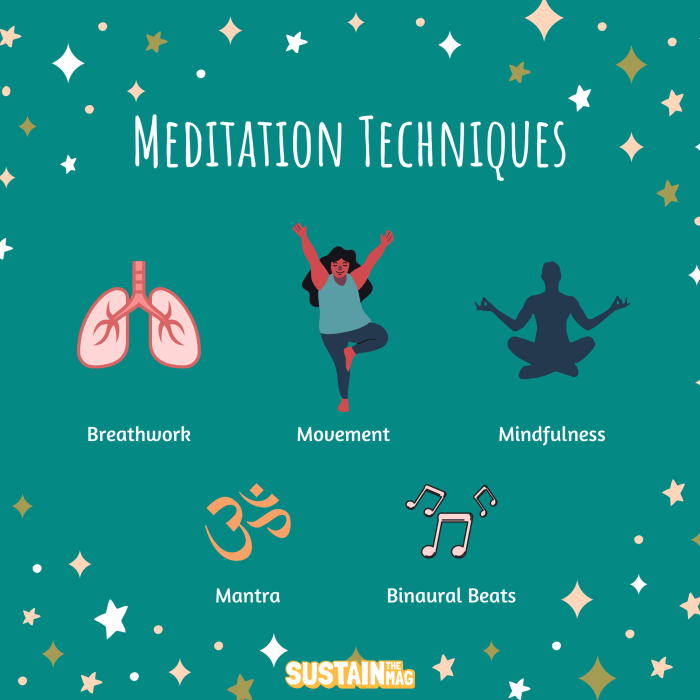
In conclusion, 10 Techniques for Achieving a Deeper Meditation State illuminates the path to inner peace and self-discovery, inviting you to embrace these practices with an open heart and a focused mind. May these techniques guide you towards a more profound and enriching meditation experience.